|
Wind Speed: 5 km/h
|
Humidity: 98%
|
AQI: PM2.5 - 20 &
PM10 - 20.5
|
Wind Speed: 5 km/h
|
Humidity: 98%
|
AQI: PM2.5 - 20 &
PM10 - 20.5

 +91-8920707042 / 8700245593
History of Dudhwa National Park - Legacy of Conservation
Introduction to the History of Dudhwa
The story of Dudhwa National Park is not only one of the transformation of a forest into a protected national park but also of passion, conservation and the tireless efforts of nature lovers. Located in the Terai region, near the India-Nepal border, Dudhwa National Park is now one of the most significant wildlife sanctuaries in India. But it has not been a swift and simple transformation from untouched forest to a world-renowned national park. A key figure in this transformation is Billy Arjan Singh, whose efforts have transformed the region.
Prior to its declaration as a protected area, the area now known as Dudhwa National Park was an extensive expanse of natural forests, meadows and swamps. It was home to diverse flora and fauna, making it an ideal habitat for many animals, such as tigers, swamp deer (Barasingha), and a variety of birds. But like many other forests in India in the middle of the 20th century, this region was threatened by deforestation, poaching, and settlement. Lacking stringent conservation policies, wildlife numbers were dwindling, and some species were facing extinction.
Acknowledging the environmental significance of this Terai region, initial steps towards conservation started in the late 1950s. It was first declared a wild life sanctuary in 1958 to conserve its rich habitat and wildlife. This was the first step in Dudhwa becoming a conservation success.
Billy Arjan Singh's Conservation Legacy
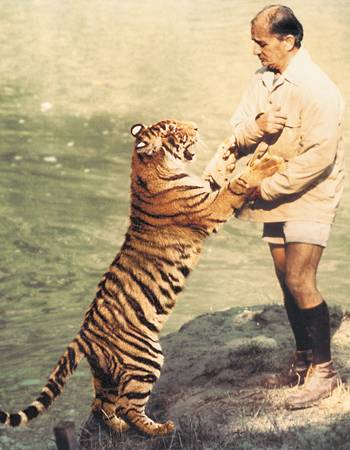
Without Billy Arjan Singh, the story of Dudhwa National Park would not be complete. Billy Arjan Singh is a revered conservationist who managed to bring the nation and world to Dudhwa. Billy Arjan Singh, known as the "Tiger Man of India," worked tirelessly to conserve wildlife and restore the ecological balance of Dudhwa.
He lived in the forest and undertook efforts to halt poaching and deforestation. His intimate knowledge of nature and wildlife behaviour allowed him to lobby for better wildlife protection. He played a significant role in the conservation and reintroduction of big predators, including tigers.
Billy Arjan Singh did more than advocate; he took action to restore wildlife. His work inspired the government to consider Dudhwa and its conservation. His actions are still impacting conservation in the area.
Thanks to the dedication of conservationists and the increased awareness about wildlife conservation, the next big step for Dudhwa was taken. In 1977, the sanctuary was upgraded to a national park, elevating its status and protection. This upgrade was a pivotal moment, with more stringent conservation measures put in place to protect the park's flora and fauna.
This formal recognition of Dudhwa as a national park led to a decrease in poaching and cutting down trees. It also enabled more effective conservation of the ecosystem, allowing wildlife to flourish in a safe habitat. During this time, there was a slow but steady increase in the wildlife population, particularly species that had been threatened by human activities.
Inclusion in Project Tiger
A significant turning point in the story of Dudhwa National Park was its inclusion as a part of the Project Tiger program in 1988. The project was initiated by the Government of India to conserve the dwindling tiger population and its habitat in India.
Inclusion in Project Tiger ensured more resources, improved management, and heightened conservation efforts. It also resulted in the formation of the Dudhwa Tiger Reserve, encompassing the Kishanpur and Katarniaghat Wildlife Sanctuaries. This approach enhanced the conservation of the entire ecosystem, enabling animals to roam through linked habitats.
Revival of Endangered Species
Dudhwa has also been very successful in the rescue and revival of endangered species. Dudhwa is most notable for preserving the Barasingha (Swamp Deer), which was once threatened with extinction. Due to careful management of the forest, their numbers have increased. Further, Dudhwa is known for the successful reintroduction of the Indian One-Horned Rhinoceros. This project was a huge success, as it ensured the rhinos' future outside their native habitat in Assam. These initiatives underscore the significance of the park as a hub for biodiversity conservation and restoration.
Dudhwa Today - A Conservation Success Story
Today, Dudhwa National Park is a shining light in the field of wildlife conservation in India. It boasts lush forests, meadows, and marshes, home to a variety of flora and fauna, including tigers, elephants, leopards and hundreds of bird species. It's a destination for tourists from all over the world, who come to experience the beauty of nature.
Dudhwa remains unspoiled, despite being a popular destination. Conservation efforts are at the forefront, with stringent rules to protect the wildlife and its environment. The work that began decades ago still shapes the park and helps it to remain a haven for wildlife.
Legacy of Conservation and Inspiration
The story of Dudhwa National Park serves as a reminder of the power of vision and hard work. Billy Arjan Singh's work is an inspiration to conservationists and wildlife enthusiasts worldwide. He not only saved wildlife but also showed the way for harmonious co-existence.
The transformation of Dudhwa from a vulnerable forest to a national park is a testament to the power of human determination and the importance of preserving our natural heritage. As people explore its beauty and see its wildlife, they are part of this legacy of conservation and optimism.