|
Wind Speed: 3.6 km/h
|
Humidity: 74%
|
AQI: PM2.5 - 74.3 &
PM10 - 83.6
|
Wind Speed: 3.6 km/h
|
Humidity: 74%
|
AQI: PM2.5 - 74.3 &
PM10 - 83.6

 +91-8920707042 / 8700245593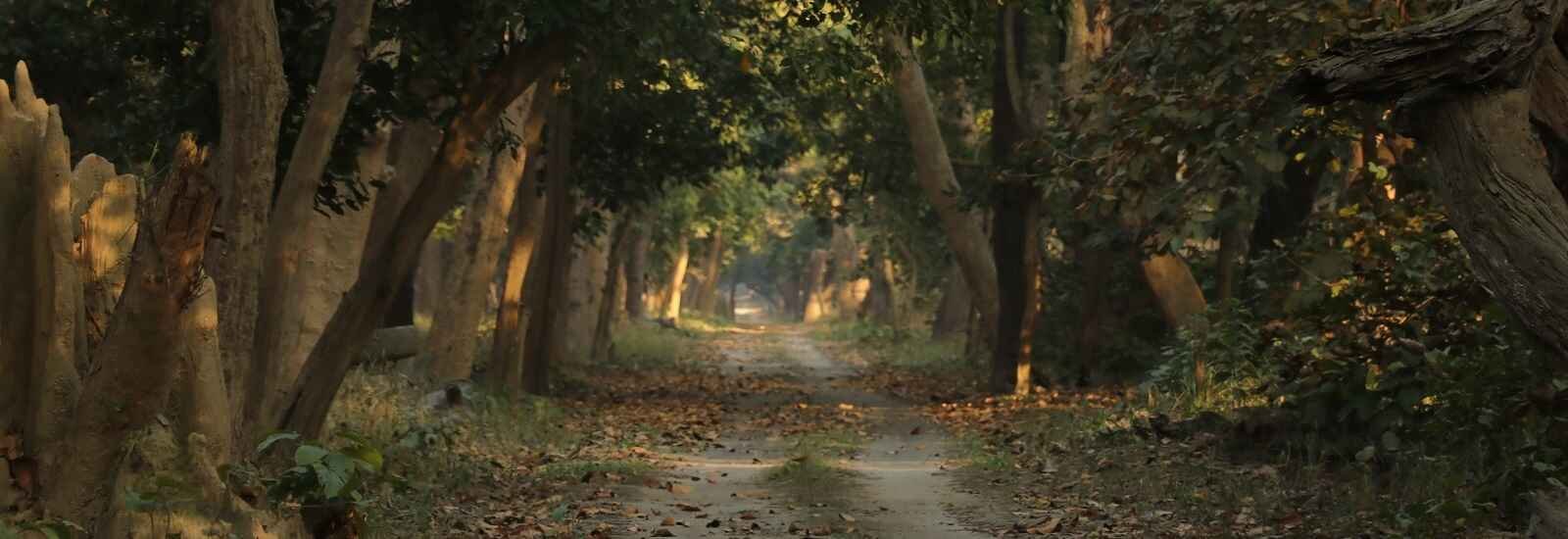
Flora and Fauna of Dudhwa National Park
Introduction to the Biodiversity of Dudhwa National Park
Dudhwa National Park is an ecologically rich and diverse wildlife park in the Terai region of Uttar Pradesh along the Indo-Nepal border. Being one of the main regions of the Dudhwa Tiger Reserve, the park is identified with the specific ecosystem that helps to maintain a great number of plant and animal species. Dense forests, large grasslands and wetlands make a perfect environment that enables flora and fauna to flourish. This is what makes Dudhwa a haven of nature lovers, researchers and wildlife lovers.
Types of forests and vegetation in Dudhwa
Moist deciduous forests are predominant in the flora of Dudhwa National Park and mainly Sal (Shorea robusta) trees that cover vast areas of the park. These forests are interspersed with open grasslands, locally referred to as phanta, which are important in sustaining the herbivorous animals. Swampy areas and wetlands are also part of the park making it ecologically rich.
Other popular tree species, besides Sal are teak, jamun, khair and semal. The understorey is composed of bushes, grasses and medicinal plants which sustain different species by providing food and shelter. The park is also dynamic in terms of its natural beauty which is influenced by seasonal changes in vegetation.
Grasslands, Wetlands - The Backbone of Ecosystem
Dudhwa has grasslands and wetlands which are vital parts of its ecosystem. These lands are grazing areas that support herbivores, and breeding and feeding areas to birds. Specifically, the wetlands are a breeding area in which migratory birds go to in the winter and thus the park is a birdwatcher paradise.
Species such as Barasingha (swamp deer) depend on high grass cover and thus available in grasslands. Aquatic organisms and plants are also supported by wetlands and river systems which adds to the overall biodiversity of the park. The ratio of forests, grasslands and wetlands guarantees healthy and sustainable ecosystem.
Dudhwa National Park Mammals
Dudhwa National Park has a great variety of mammals among fauna, thus making it one of the most significant wildlife habitat in North India. The most recognizable one is the Royal Bengal Tiger, which is the top predator in the ecosystem. Project Tiger is in which the park is a part of has assisted in conserving and boosting the population of tigers.
The other important species is the Indian One-Horned Rhinoceros which has been reintroduced in Dudhwa as a successful conservation program. The park also houses elephants, leopards, sloth bears, and some species of deer including spotted deer, sambar, hog deer and the rare Barasingha.
Birdlife - a Birdwatcher Paradise
Dudhwa National Park is a haven of bird lovers and more than 400 species have been identified within the park. Forests, grasslands, and wetlands have a variety of habitats, which are inviting to both resident and migratory birds. In winter, the park is a vivid center of migratory species that come back to the park in Central Asia and Europe.
The birds that can be found here are hornbills, peafowls, kingfishers, woodpeckers, eagles and owls. There are wetlands where ducks, herons, storks and cranes can be found and grasslands where animals such as the Bengal Florican can be found. The abundant birdlife contributes to the color and sound of the park, making it more natural.
Reptiles and Aquatic life
Dudhwa has many reptiles and aquatic life that are supported by the wetlands and river systems. The park has crocodiles, turtles, and other species of snakes. In the area adjacent to the reserve, like Katarniaghat Wildlife Sanctuary, gharials and freshwater dolphins are found. These aquatic organisms are very important in ensuring that the ecological balance of the park is maintained. Such a variety of life forms supports the necessity to preserve wetland ecosystems.
Rare and Endangered Species
Dudhwa National Park hosts a number of rare and endangered species, and it is a key region to be preserved. Some of the less known species in the park include the Bengal Florican, Hispid Hare and fishing cat. Such animals can be hardly seen as they are very elusive, yet their presence contributes to the ecological importance of the area. Dudhwa conservation has played a significant role in the conservation of these species as well as the restoration of their populations. The park is a role model in conservation of wildlife in India.
Conservation and Management Role
Good conservation and management has been instrumental in protecting the flora and fauna of Dudhwa National Park. Project Tiger and other programs have contributed to preserve endangered species and balance in the ecosystem. Some of the measures that are employed to guarantee sustainable conservation include anti-poaching measures, habitat restoration and community involvement. Not only has this preserved the wildlife, but has also improved the general health of the ecosystem, making Dudhwa a successful natural habitat.
The best season to see plants and animals
November-June is the most suitable period to visit the flora and fauna in Dudhwa National Park. The winter seasons are quite nice with great bird watching and great opportunities to see mammals around water sources are more likely during summer. Every visit is special as each season gives a distinct view of the biodiversity of the park.
A Living Ecosystem of Natural Wonders
Dudhwa National Park is a perfect combination of nature and its diversity and beauty. The park is a total wildlife experience with its rich forests and colorful grasslands, its great animals and its colorful birds. Its high biodiversity and effective conservation activities have made it one of the most significant natural treasures in India.