
 +91-8920707042 / 8700245593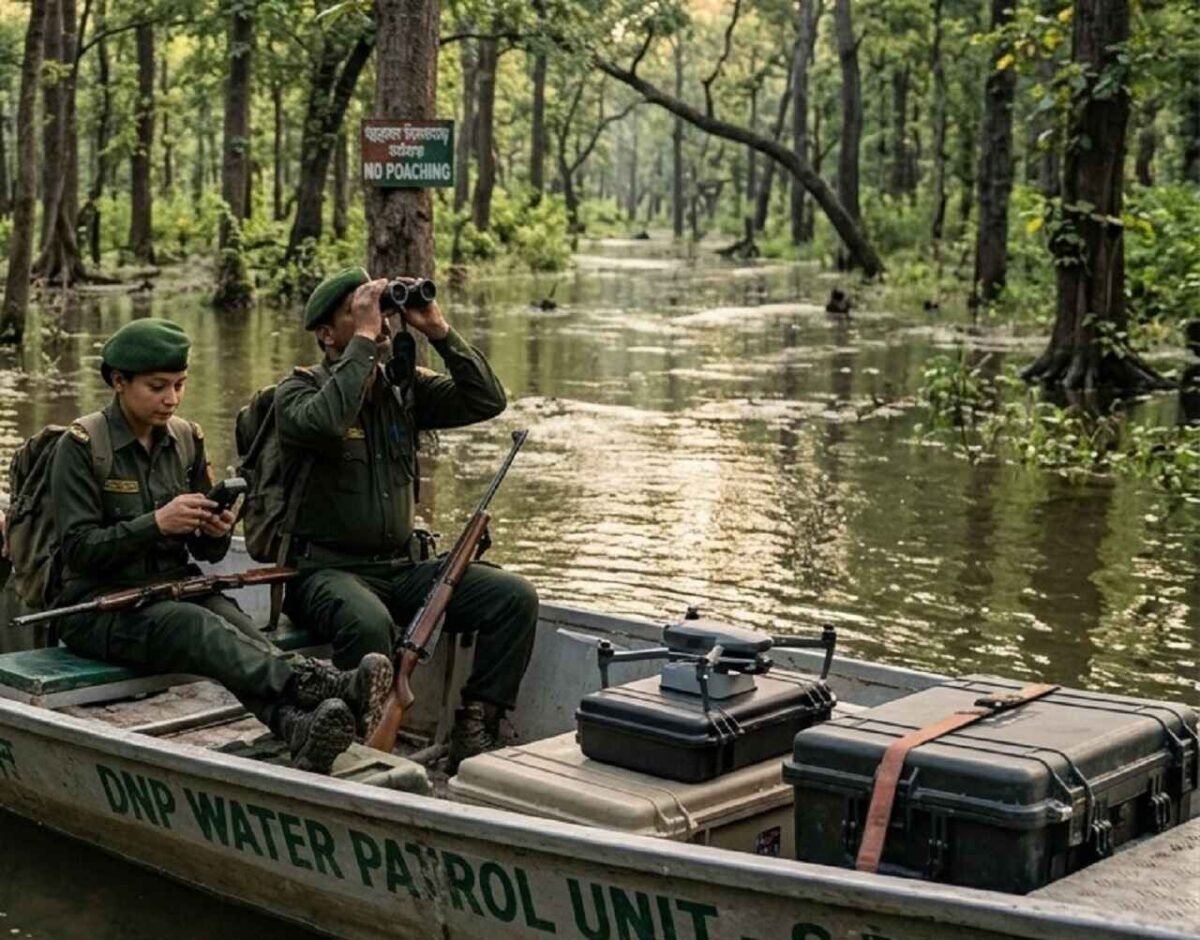
In today’s world, one of the most vital roles is wildlife conservation, which continues to be threatened with deforestation, poaching, illegal activities and climate change in forests and natural habitats. Although national parks and wildlife sanctuaries are well-known for their biodiversity protection, behind them stand the heroes – forest rangers. They are all special people who work hard in forests, grasslands, wetlands and protected Wildlife Areas to protect animals and nature for the next generation.
In protected areas like the Dudhwa National Park & Kishanpur Wildlife Sanctuary, forest rangers are crucial to maintaining a balance in the ecosystem and the safety of animal species like the one-horned rhino, the Bengal tiger, swamp deer, elephants and migratory birds. They perform their regular duties to safeguard some of the most biodiversity rich landscapes in India.
Who Are Forest Rangers?
Forest rangers are specialists who are trained to take care of forestry, wildlife reserves and protected ecosystems. They are employed by forest departments and wildlife authorities to record wildlife activity, to deter predators, to safeguard forest land, and to help with conservation initiatives.
They are frequently deployed to patrol far-flung forest sections, track animal movements, help tourists, deal with emergencies, and keep animals and visitors safe. The forest rangers are on the front line of wildlife protection, and are expected to spend much of their time in the natural habitat.
Forest rangers in wildlife parks like Dudhwa National Park are required to function under adverse conditions in the jungle, far from civilization and in the midst of swamps and thick forests.
Protecting Wildlife from Poaching
One of the biggest responsibilities of forest rangers is preventing poaching and illegal wildlife trade. Tigers, rhinos, leopards and elephants are common targets of poaching for their skin, bones, tusks or horns.
The forest rangers frequently patrol protected areas to detect suspicious activities and to prevent illegal hunting activities. They patrol forest roads, check on protected wildlife areas and keep watch on areas with the potential for poaching.
Forest rangers often face gunmen and criminal gangs and risk their lives in the process to protect their forests. Their hard work has contributed significantly in the conservation of endangered animals and minimisation of wildlife crime in several National Parks of India.
There is a particular need for robust anti-poaching activities in areas such as the Terai landscape that hold high biodiversity value and are thus popular among tourists interested in wildlife and poaching activities.

Monitoring Wildlife and Habitats
Forest rangers also assist researchers and wildlife management officials with wildlife and forest monitoring. They gather crucial data on wildlife observations, breeding, migration and habitat conditions.
Monitoring of animal species, like Bengal tiger and rhino, aids in the knowledge of population growth and changes in the forest ecosystem.
Water sources, grasslands, wetlands and forest vegetation are also monitored to ensure animals have healthy habitats on which to survive, and rangers are doing just that. Forest rangers typically are the first to respond when forest problems arise, including fire, illegal harvesting, water shortages, etc.
Their observations give valuable data to aid long term wildlife conservation planning.
Assisting Wildlife Tourism and Eco-Tourism
Forest rangers have great responsibilities in responsible wildlife and eco-tourism. For jungle safaris, birding, Wildlife Photography and nature experiences, most of the national parks are popular with tourists.
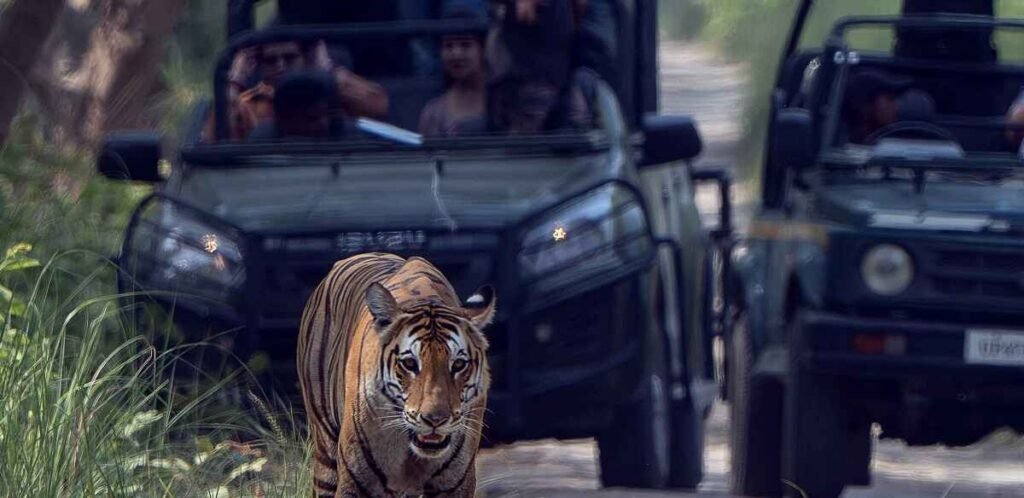
Rangers assist in keeping safari tracks open, advise visitors, enforce park regulations and ensure visitors’ safety on safaris. They also inform travellers of the behaviour of the wild animals, conservation awareness and responsible tourism practices.
The conservation of protected forests would be very difficult without the help of forest rangers in conducting tourism activities. They help to establish a secure and controlled habitat for animals and people.
Eco-tourism additionally improves the livelihoods of the local community by providing jobs and raising awareness of tourists about conservation.
Managing Human-Wildlife Conflict
Wildlife and human conflicts are on the rise with the growth in human populations in and around forest areas. Animals may intrude in villages or the farmland to look for food or water, causing damages or threat to human safety.
The forest rangers take care to take care of these in a careful and safe manner. They aid in rescuing animals, bringing them back into the forests and avoid unnecessary harm to both humans and animals.
Forest rangers in the vicinity of the Dudhwa National Park are frequently compelled to cooperate with the local communities in resolving human-wildlife conflicts and fostering coexistence with wildlife.
They work to establish trust among conservation authorities, and between the villages and the wildlife, which is critical in the long-term protection of wildlife.
Forest Rangers and Wildlife Rescue Operations
The forest ranger also performs a role in emergency and rescue actions of the animals. When an animal has been injured, orphaned, trapped or has been affected by flooding or forest fires, it needs immediate attention.
Emergency situations are handled safely by rangers, who coordinate with veterinarians, wildlife experts and rescue teams. Their rapid response can help to save endangered species and stop ecological damage.
Forest rangers also play a role in safeguarding animals during natural disasters like Terai floods by tracking the movement of animals and assisting in their rescue.
Their bravado and commitment plays a vital role in ensuring the survival of endangered animal species.
Challenges Faced by Forest Rangers
Forest rangers play a significant role but have a lot of difficulties. They frequently operate in areas of inaccessible forests, scarcity of resources, rough terrain and possible dangerous wildlife encounters.
Their working hours are long, the weather is tough, they lack good equipment and poaching threatens their work, so it is physically and mentally demanding.
Conserving activities take many rangers into forest areas, long away from home, for several days. In some places, they have to work tougher due to poor infrastructure and communication system.
Their dedication to the cause of wildlife conservation has, however, inspired wildlife conservationists, travellers to eco-tourism and nature-loving people throughout the country.
Conclusion
The forest rangers form the backbone of wildlife protection and conservation of wildlife in Indian National Parks and Wildlife sanctuaries. They contribute to the preservation of forests, protection of endangered species, eco-tourism and ecological balance.
Forest rangers are a key part of protecting wildlife and nature in biodiversity-rich areas, such as Dudhwa National Park. They are also one of the most critical protectors of the forests and wildlife of India, and their work is often overlooked.
In the present times and with the increasing significance of wildlife conservation, it will be important to support forest rangers and reinforce conservation programs in order to protect nature for future generations.

