
 +91-8920707042 / 8700245593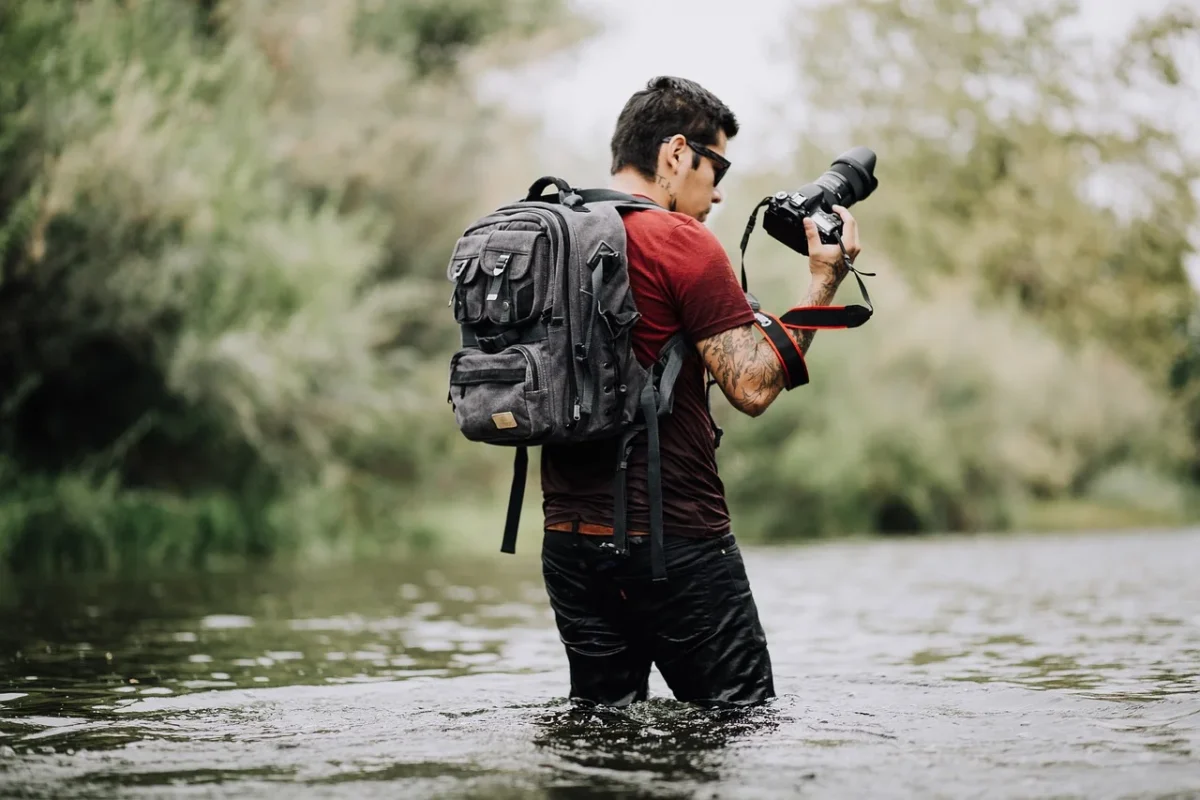
Wildlife photography is a method of experiencing nature which is one of the most thrilling, and Dudhwa National Park provides the best place to do so. The park has thick Sal forests, open grasslands, and wetlands that offer various backdrops and lighting effects to record beautiful photographs. Dudhwa provides you with an opportunity to take a photograph of great animals such as tigers, rhinos, elephants and hundreds of bird species in their natural environment whether you are a beginner or an experienced photographer. Nevertheless, it takes time, planning, and the correct methods to capture wildlife. This guide will assist you in making memorable moments in your Dudhwa safari.
Know how Wildlife Behaves
Wildlife photography is one of the most significant areas that require one to know how animals behave. The key to such success is knowing the time of the day when animals are the most active, and their movements, that will enhance your opportunity of getting the best shot. In Dudhwa, animals tend to be more active in early morning and late evening safaris. Patterns that you observe like feeding, resting or movement around water sources may enable you to anticipate action and place your camera in the right position. The better you know the wildlife, the better you will be in taking photographs.
Select Proper Camera and Lens
The proper equipment is a very important aspect of wildlife photography. DSLR or mirrorless camera with a fast autofocus would be best to capture moving objects. Use of a telephoto lens (200mm to 600mm) is strongly encouraged where you can be able to take photos of animals at a safe distance without scaring them. Longer focal lengths come in particularly handy in the case of bird photography. Although expensive gear will improve your output, even cheap cameras can have fantastic shots as long as you use them properly.
How to Master Safari Photography Camera Settings
Learning about the camera settings is crucial to taking sharp and well-exposed photos. A high shutter speed will freeze motion particularly when taking pictures of animals in motion. Tilter ISO depending on the lighting conditions- as the light is low use high ISO and when the light is bright use low ISO. Aperture settings will allow the depth of field to be controlled, a larger aperture (smaller f-number) will blur the background and focus on the subject. You can practice these settings in advance before your safari and this can make a lot of difference.
Use the best of Natural Light
One of the most important aspects in photography is lighting. In the early morning and late afternoon, one can find soft and golden lighting, which beautifies wildlife images. It is best to avoid strong sunlight in the middle of the day because this can result in deep shadows and over-exposed light spots. Arrange yourself in such a way that the light is illuminating your subject matter and that it shows details and textures. The forests and grasslands of Dudhwa are ideal places where dramatic and visually pleasing compositions can be made by using natural light.
Pay attention to Composition and Framing
A well-crafted photo narrates a tale. Apply tricks such as rule of thirds to position your subject in an engaging way in the frame. Allow room in the direction of movement of the animal to generate an impression of motion. The presence of things such as trees, grass or water can provide background and depth to your images. The natural environment of Dudhwa National Park offers great possibilities to creative compositions.
Have patience and be vigilant
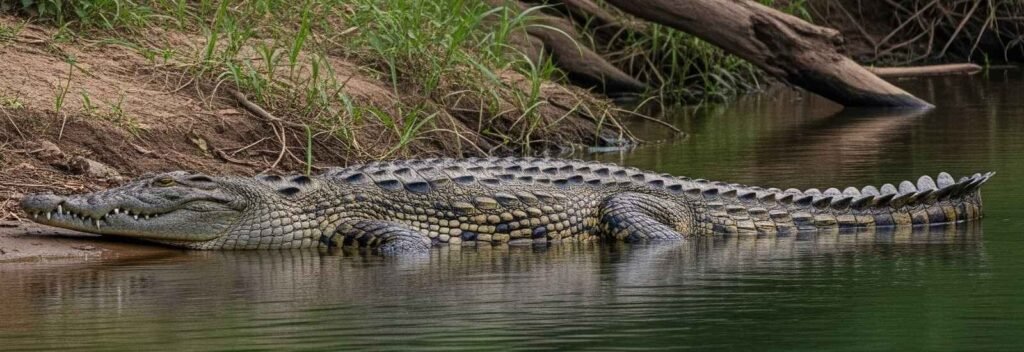
Patience and sharp observation are the skills of wildlife photography. Animals do not come instantly, and you might have to wait until the appropriate time. Be on the lookout and have your camera at hand and you are more likely to have a rare and sudden moment. During safaris, silence and little movement are critical as they aid in avoiding disruption of wildlife. The most gratifying shots can be arrived at by patience.
Take a Variety of Shots
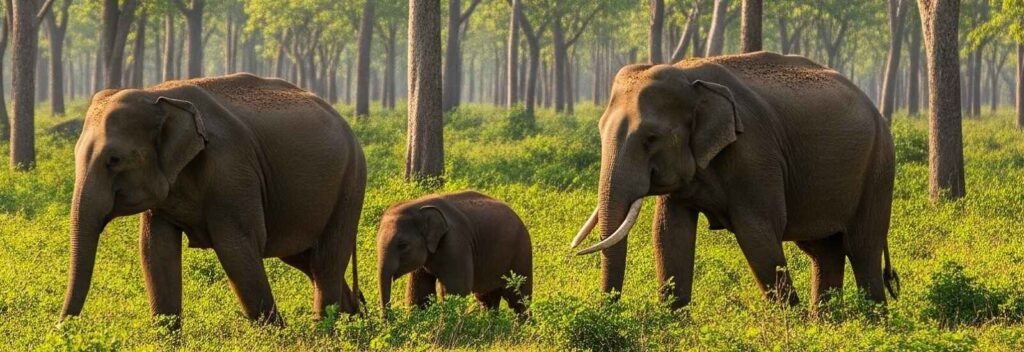
You should not only use close-up shots but at any rate make various pictures. Large shots where one can see animals in their natural habitat may be as effective as close-ups. Action shots: action shots make your portfolio exciting like animals running or interacting. At Dudhwa, you can capture not only large mammals, but also birds, insects and landscapes, and have a rich array of images.
Honor Wildlife and obey Instructions
Ethical photography is so crucial. Always keep a safe distance between oneself and animals and do not make any noise or engage in sudden actions. Take the instructions that you have been given by forest authorities and your safari guide. Do not feed or disturb wildlife so you can have a better shot. By giving nature respect, you can be sure of your own safety and the safety of the animals.
Continuous Shooting Mode
The action of wildlife can occur within seconds, and therefore the burst mode or continuous mode of shooting can assist you shoot a series of photos in seconds. This enhances the possibility of capturing the ideal shot particularly when there is rapid motion such as a bird flying or a predator in pursuit. It is possible to choose the best image by viewing several shots afterward.
Study through Your Guide and the Local Experts
The Safari guides in Dudhwa are well versed with the forest and its wildlife. Their advice can be of great help to you in photography. They can assist you in finding animals, learning their habits and be placed in better positions to take shots. They have insight that is invaluable, particularly to the first-time visitors.
Photo-shop to get improved results
A significant component of wildlife photography is post-processing. Simple editing can be used to make colors better, brighten, and sharpen the images. It is however worth remembering not to overdo the edits but make them natural. Applications such as Lightroom or Photoshop could assist you in perfecting your photos, without losing their naturalness.
Discover Bird Photography Opportunities
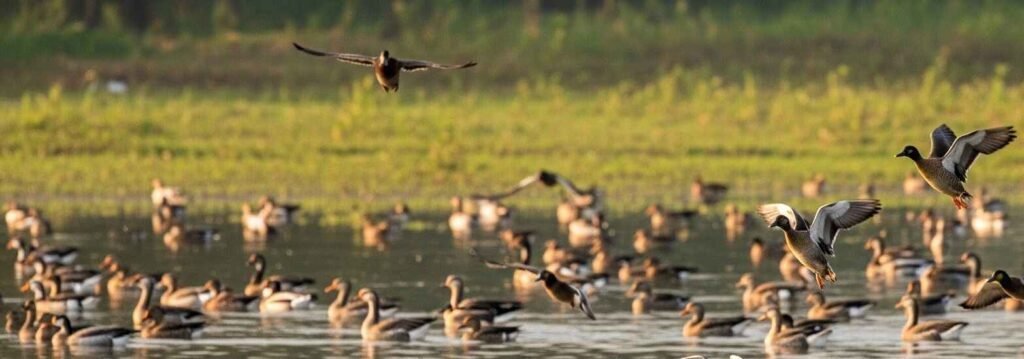
The Dudhwa National Park hosts more than 400 species of birds and thus a bird photographic heaven. Birds can be seen well in wetlands and riverbanks. Birds can be best photographed in the early mornings, during flight or feeding. When taking photographs of birds, patience and fast reflexes are essential.
Before Your Safari
Practise your camera in varying situations before going to Dudhwa National Park. Being familiar with your equipment enables you to respond promptly in case you come across wildlife. You can practice at home or local parks to enhance your skills and confidence.
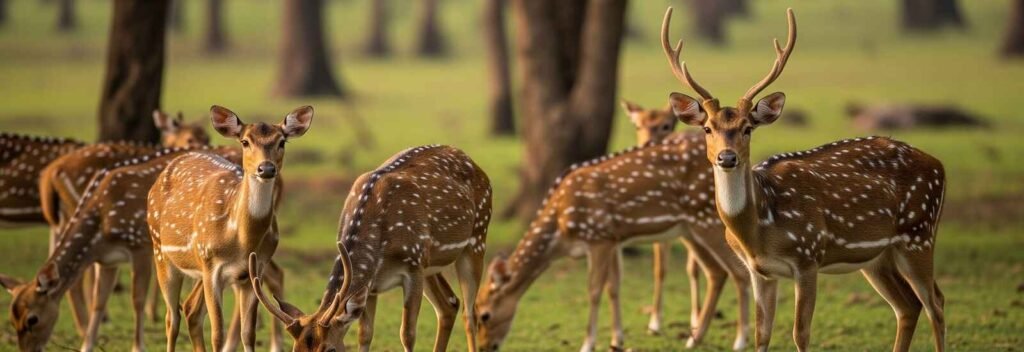
Conclusion – Hunt the Wild Beauty of Dudhwa
Wildlife photography in Dudhwa National Park is an adventure that is full of creativity, adventure and patience. By using appropriate methods and planning, you will be able to take amazing shots that can portray the beauty and diversity of the forest. Starting with magnificent tigers to colorful birds, every moment in Dudhwa presents a new chance to take pictures. Do this, be friendly to nature and have fun in the process of capturing the wild in its natural form.

