
 +91-8920707042 / 8700245593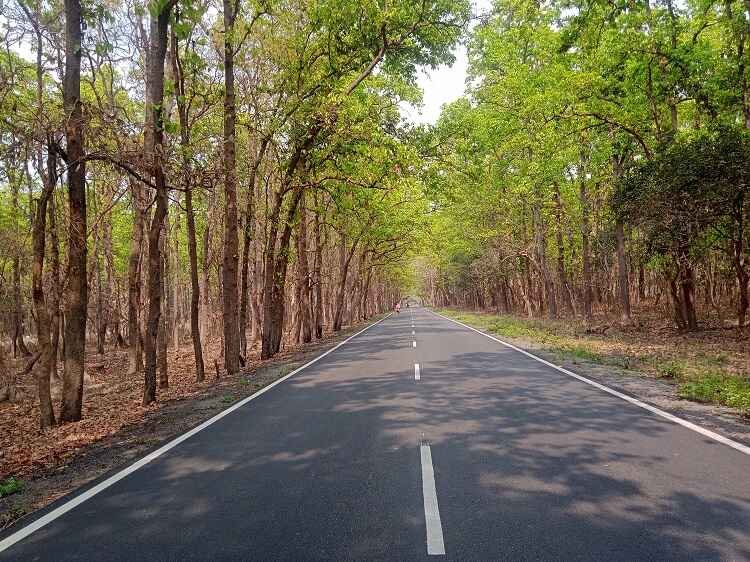
The Terai Arc Landscape (TAL) is a hidden wildlife paradise because the environment in this region is intact and has not been disturbed. The Terai Arc Landscape is a hidden wildlife paradise as it is not disturbed environment.
While India is blessed with some of the world’s most amazing wildlife hotspots, many of its natural wonders are not as well-known to the mainstream tourist. The Terai Arc Landscape is one of such incredible ecosystems, a huge conservation area that extends from the Indo-Nepal border through the foothills of the Himalayas. In this terrain, the Pilibhit-Dudhwa-Kishanpur tract is an unexplored secret treasure trove of wildlife, with its lush forests, wetlands, grasslands, and remarkable biodiversity.
This amazing area is home to a number of iconic wildlife species in India such as Bengal tigers, elephants, rhinos, swamp deer, leopards, and hundreds of bird species. The Terai Arc Landscape is a wonderland from the jungle, untouched wild nature and peaceful natural surroundings, which make it an attractive destination for nature-loving, wildlife photographers and eco-tourism lovers, unlike many crowded wildlife destinations.
This landscape, with its diverse flora & fauna, inter-connected forests and effective conservation efforts, is one of the most valuable wildlife habitats in India.
Understanding the Terai Arc Landscape
Terai Arc Landscape is a trans-border conservation region that is shared between Northern India and Southern Nepal. It has forests, river systems, grassland, and protected wildlife reserves, which make it one of the most diverse areas in Asia.
The Pilibhit-Dudhwa-Kishanpur landscape is an important component of this. It enables animal species to travel between forests without any barriers, keeping their numbers and variety healthy.
Some significant protected forests include Pilibhit Tiger Reserve, Dudhwa National Park and Kishanpur Wildlife Sanctuary.
In combination these forests form a continuous habitat that helps large mammals, rare birds and endangered species.
A Stronghold for Bengal Tigers
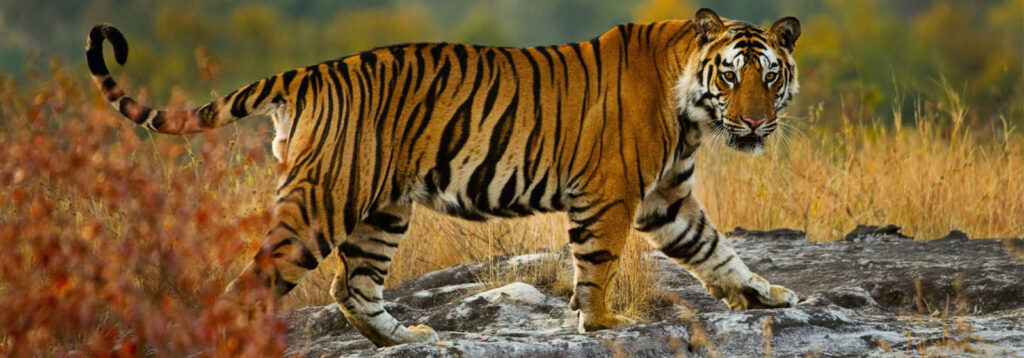
The most significant of the reasons is that the Terai Arc Landscape is a hotspot for tigers. Forests and grasslands at Pilibhit, Dudhwa and Kishanpur are ideal habitat conditions for Bengal tigers.
The area has good tiger density due to abundant prey, healthy water sources and high vegetation. Over the years, population and habitat have been conserved, and in the decades since that time, the number of tigers and the quality of their habitat has risen.
The jungles of this environment can be more calm and natural than those of overcrowded tiger reserves. There are opportunities to see wildlife in less disturbed areas, providing a more authentic and memorable experience.
The forests are also linked, enabling safe movement of tigers between reserves which also helps to minimise fragmentation and enhance long term conservation.
Rich Diversity of Flora & Fauna
The Pilibhit–Dudhwa–Kishanpur region comes with an abundance of flora & fauna. Sal forests, grasslands, wetlands, bamboo groves and riverine ecosystems with variety of wildlife species are present in the area.
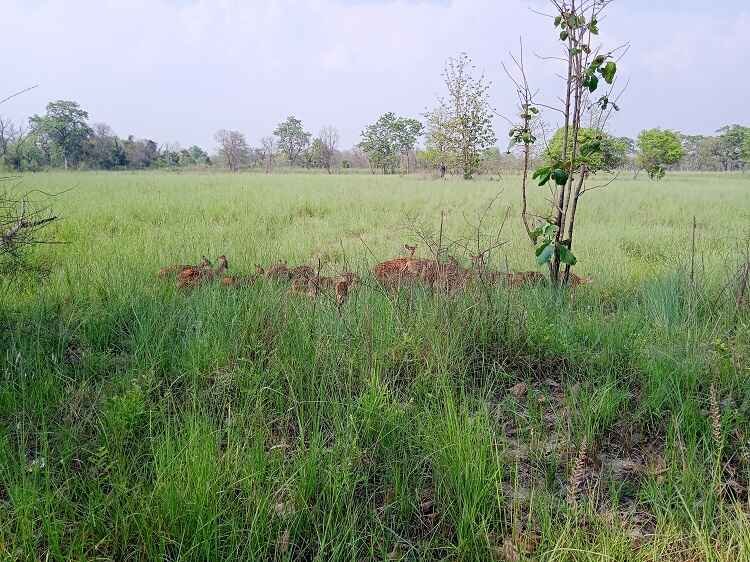
Apart from the tiger, it is home to leopards, swamp deer, wild boars, sloth bear, jackals, fishing cat and Asian elephant. It is particularly renowned for the presence of swamp deer in the grasslands of Dudhwa.
The region is also a popular destination for birdwatchers due to the high number of species that can be spotted here. The wetlands are used by migratory birds from Central Asia and Siberia during the winter months, and resident birds, like the hornbills, owls, kingfishers, woodpeckers and others, flourish.
The Terai Arc Landscape also has a rich biotic diversity, making it one of the most valuable ecosystems of India.
Importance of Wildlife Corridors
Wildlife corridors are vital to sustaining healthy ecosystems. The forests of Pilibhit, Dudhwa and Kishanpur enable animals to move freely to find their food, water, mates and reproductive habitat.
These corridors help to minimise genetic decline and isolation of wildlife populations. For wide-ranging animals such as tigers and elephants, connected landscapes are critical for survival.
Conservation authorities are striving to maintain these forest corridors, and to minimize encroachment and habitat loss from human activities in the area.
The conservation of connected ecosystems has been recognized as one of the most effective conservation strategies for wildlife.
Wetlands and Grasslands of the Terai
The special characteristic of the Terai Arc Landscape is the presence of both wetlands and grasslands. Rare species can only exist where these habitats exist, and not as part of dense forests.
Wetlands are home to aquatic wildlife and migratory birds, and grasslands are home to wildlife like swamp deer and rhinos, which are herbivores.
The scenic patterns of misty grasslands, rushing streams and edges of the forest provide a stunning backdrop for photographers and eco-tourists alike.
They are highly sensitive environments, which play a crucial role in preserving biodiversity and ecological balance.
Jungle Safari and Eco-Tourism Experiences
Wildlife lovers will have amazing safari experiences in the Terai Arc Landscape. The trails through the forest, the grassland and along a river offer a chance to see wildlife in their natural habitat.
Unlike the highly commercialised parks, the safaris in Pilibhit – Dudhwa – Kishanpur region offer a more immersive, natural experience of nature. As a Jeep safari, a birding tour or a Wildlife Photography excursion, one can get close to nature.
Eco-tourism is also contributing to the local communities’ development by providing jobs in guiding and eco-resorts, transportation and cultural tourism.
Responsible tourism promotes the enjoyment and appreciation of biodiversity, and contributes to its conservation.

Conservation Success Stories
Over the years there have been a number of successful conservation efforts in the Terai Arc Landscape. The recovery of wildlife populations has been supported by better management of forests, anti-poaching activities, rehabilitation of habitats, and community involvement.
The tiger conservation programmes have aided in building the numbers of predators, while grassland management has helped in the recovery of swamp deer. Positive conservation results have also been observed in the case of rhino reintroduction in Dudhwa.
These are excellent examples of the need to have long-term conservation planning and protect the ecosystem.
The landscape is facing threats from the following factors:
 The richness of the Terai Arc Landscape is threatened by habitat fragmentation, illegal logging, poaching, invasive plant species and human-wildlife conflict.
Climate change is also impacting the rainfall, wetlands and forests in the region.
The conservation of this wildlife paradise will rely on sustainable tourism, improved conservation measures, awareness among the community, and connectivity of habitats.
Conclusion
The area of Pilibhit-Dudhwa-Kishanpur in the Terai Arc Landscape is definitely one of the gems of the Indian wild. It’s forests, wetlands, grasslands and interlinked ecosystems host an outstanding diversity of flora & fauna and provide authentic jungle safari experience.
Protected areas like Pilibhit Tiger Reserve, Dudhwa National Park, and Kishanpur Wildlife Sanctuary play a crucial role in preserving biodiversity and maintaining ecological balance.
With increasing interest in eco-tourism and wildlife protection, the Terai Arc Landscape remains a source of inspiration for tourists, scientists, and conservationists, offering a glimpse into the natural world that lies untouched by civilization.

