
 +91-8920707042 / 8700245593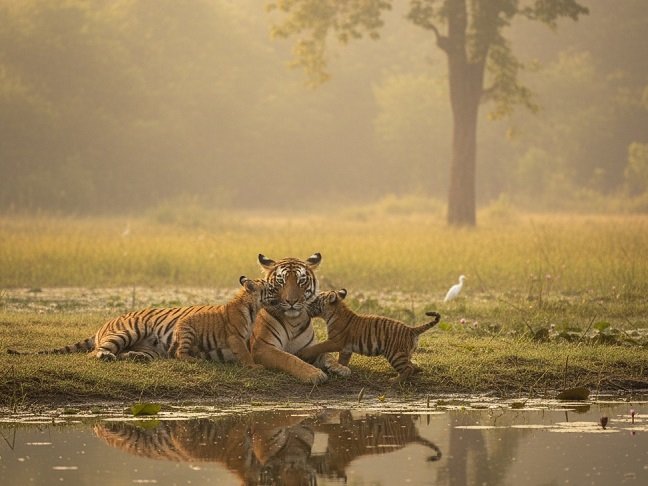
Tiger Reserves have been identified as one of the most crucial protected landscapes in the world. Although many people think of them as tiger protectors, they are involved in much more than that. Tiger Reserves protect forests, rivers, wetlands, grasslands and all kinds of flora and fauna that are vital to the balance of nature and human life.
These reserves help to preserve entire ecosystems by protecting top predators such as tigers. The presence of healthy tiger population is a sign of healthy forests, biodiversity, natural systems. In India, Tiger reserves are signposts of successful conservation efforts, and also encourage sustainable tourism by offering experiences such as jungle Safari, ecotourism, eco tour packages and eco friendly accommodations.
The role of tiger reserves has grown more significant with the increasing problems in the environment like climate change, habitat loss and biodiversity loss.
Tigers as Apex Predators
Tigers are considered as Apex predators as they are at the top of the food chain. They are effective in regulating herbivore populations like deer, wild boars, and antelope, which contributes to the balance within the ecosystems.
If there are no predators, the herbivore population can increase rapidly, causing overgrazing and damaging the vegetation. This impacts forests, soil quality, water sources and other wildlife species which rely on healthy habitats.
A steady rate of change in the tiger population means that the ecosystem is working well. Conserving Tigers, thus helps to conserve the entire chain of life within the forest ecosystem.

The forest and biodiversity are protected
Tiger reserves help keep large forest areas, which host thousands of plant and animal species. They have a variety of flora and fauna including: birds, reptiles, insects, amphibians, and mammals.
Forests are vital to wildlife, protecting their habitats, shelter, food and providing ecological stability. Tiger reserves stop illegal hunting, deforestation, mining and urbanization from destroying the tigers’ habitat and many endangered species are able to survive because of that.
Other wetlands, rivers and grasslands in Tiger Reserves are also also biodiversity hotspots, where migratory birds and aquatic life also live.
Conserving tiger habitats, therefore, not only conserves one species, but also entire ecosystems.
Climate Regulation and Environmental Protection
Tiger reserves are important to safeguard the environment and mitigate climate change effects. Forests are natural carbon sinks that sequester carbon dioxide from the atmosphere and play a key role in the regulation of global temperature.
Their rich vegetation also has a positive effect on rainfall distribution, soil erosion and flood and drought risks. Healthy ecosystems are cleaner air, stable water cycles and improved environmental conditions for communities around them.
Forests in tiger reserves are crucial for forest sustainability in the long run, given the impacts of the changing climate on the ecosystem globally.
Importance of Water Conservation
Major rivers and watersheds are encircled by many tiger reserves. Forest ecosystems absorb rain water, recharge ground water and provide clean water.
Trees and vegetation help to stabilize soil and prevent polluition and sedimentation of rivers, lakes and wetlands. Local residents rely on forests for their water supplies, including watering crops, drinking, and using for daily needs, as well as millions of people living near forests who depend on them.
If there were no protected forest ecosystems, water scarcity and environmental degradation would increase. Tiger reserves are thus important for water security for both humans and wildlife.
Ecotourism Supports Conservation
Ecotourism is one of the most important means of wildlife conservation in Tiger Reserves. Responsible tourism activities like jungle Safari tours, bird watching and Wildlife Photography raise awareness on biodiversity conservation and environmental protection.
One of the benefits of visiting Tiger Reserves is the increased understanding of nature that gains the visitor. This feeling helps to foster support for conservation and sustainable travel.
Eco tour packages can be arranged around responsible tourism, which helps reduce the negative impact on the environment, while offering educational and immersive opportunities for wildlife experiences.
Eco Friendly Accommodations offer several advantages
Eco friendly lodges around tiger reserves have also helped to further boost sustainable tourism. There is a growing number of wildlife lodges and forest resorts now emphasizing environmentally responsible practices including renewable energy, water conservation, waste management and green building.
They mitigate environmental harm and help conserve natural areas and communities. When you go for eco friendly lodging you are helping in the protection of the forest in addition to facilitating sustainable tourism.
Responsible tourism models provide a way of making the conservation of wildlife and tourism coexist without harming fragile ecosystems.
The possibility of earning income in the community
Local economies are also also benefiting from Tiger reserves by providing support to the ecotourism and jungle Safari tourism. Thousands of people are employed in guiding services, transportation, hospitality, handicrafts and eco-tourism activities.
Conservation benefits local communities’ economies, and they are more inclined to conserve forest and wildlife than to use them for short-term gains.
Community engagement is now regarded as one of the most crucial elements to wildlife conservation.
Opportunities for education and research
Tiger reserves are living laboratories for scientists, researchers and students to conduct studies on ecosystems, animal behaviour and biodiversity. Conservation research carried out in these protected areas contributes towards improved wildlife management and environmental policies.
Educational tourism programs and guided safaris also contribute to raising awareness about the need for forest and wildlife conservation. Tigers and children visit the tiger reserves, and children have a better understanding of environmental conservation and sustainability.
In what ways will ecosystem conservation change in the future?
Tiger Reserves will be all the more significant in the future as the human population grows and natural habitat continues to dwindle. To maintain biodiversity and environmental balance, there is a need to increase the area of protected forests and the creation of better wildlife corridors, as well as sustainable ecotourism.
Jungle Safari tourism, eco tour packages and eco friendly accommodations can foster a positive tourism/conservation relationship, which can benefit local communities.
Conclusion
Tigers don’t live in Tiger reserves, they live within them. They help preserve forests, water resources, biodiversity, sustainable livelihoods and manage the climate. Ecosystems that are vital for wildlife and human life depend on the presence of apex predators and their habitats and are protected by tiger reserves.
Jungle Safari Experiences, ecotourism, and Wildlife Photography are some activities that make people understand the importance of flora & fauna and increases awareness about the environment. Conservation efforts are further bolstered by the provision of eco tour packages and eco friendly accommodation. Eco tour packages and eco friendly accommodation further encourage sustainable travel practices.

