
 +91-8920707042 / 8700245593
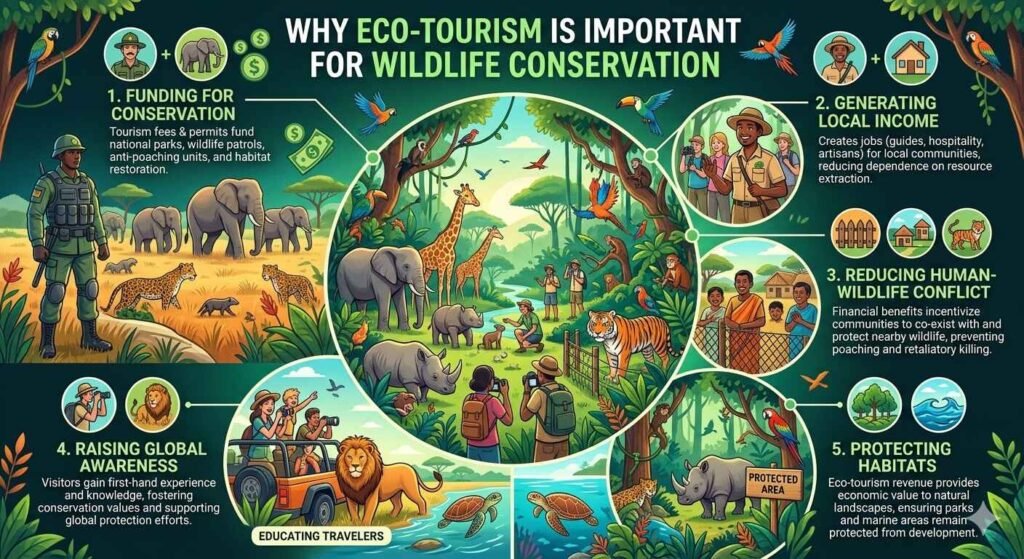
Eco-tourism plays a crucial role in wildlife conservation. Eco-tourism is essential for wildlife conservation.
Eco-tourism is one of the best methods of wildlife conservation that encourages responsible tourism and environmental awareness. Eco-tourism prioritizes conservation of natural ecosystems, biodiversity and local communities, as opposed to traditional tourism. Eco-tourism is a viable and sustainable alternative for nature and people as the forests and wildlife habitats continue to be threatened by deforestation, climate change, pollution, and urbanization.
A lot more travelers are opting for nature-based stuff today, like jungle safaris, birding, Wildlife Photography, and jungle lodging. This trend towards eco-tourism is helping to promote awareness of conservation and raising money for protected areas and wildlife habitats all over the globe.
Eco-Tourism Creates Awareness About Wildlife
Eco-tourism is one of the greatest advantages for understanding the importance of wildlife conservation. Forests, wildlife and nature are rarely seen in many cities. Tourism visits to national parks and wildlife sanctuaries offer opportunities to view wildlife and forests in their natural habitat.
If individuals can have a direct experience with nature, they feel more connected to wildlife and have better awareness of environmental issues. The experience of observing a tiger in dense forest or hearing birds in the serene wetland environment leaves a memorable impression which fosters nature’s respect.
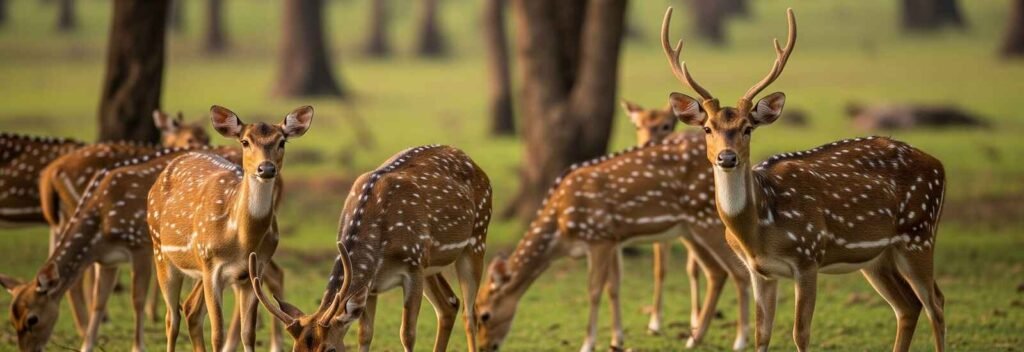
Dudhwa National Park is a popular tourist destination, with thousands of people visiting each year to see the animals and learn about the conservation of biodiversity.
Financial resources are available for the conservation of biodiversity, including:
Conservation of wildlife needs considerable funds to protect forest, to fight anti-poaching activities, to restore habitats, to conduct research and to monitor wildlife. Eco-tourism can provide the income necessary for the conservation of these resources.
The National park and wildlife sanctuaries are funded by entry fees, safari bookings, eco-resort accommodation and tourism services. The funding enables the forest departments and conservation groups to safeguard endangered species and ensure the flourishing of the forest.
If not for the revenue generated by tourism, many protected areas would not be able to provide successful conservation programmes. Eco-tourism thus establishes a mechanism whereby tourism positively promotes environmental protection.
Protecting Wildlife Habitats
Eco-tourism helps governments and conservation authorities to conserve forests and wildlife habitats because the natural areas become tourism assets. Protected Landscapes create sustainable economic value for tourism and preserve biodiversity too.
Protecting forest area for eco-tourism may provide secure habitat to endangered species like Bengal Tiger, Elephant, Rhino, Swamp Deer, migratory birds etc. This type of ecosystem also provides habitat for rivers, wetlands, grasslands, and many smaller organisms that play a role in maintaining the balance of the ecosystem.
Conservation and the preservation of wildlife habitat is achieved by the use of eco-tourism, which benefits the entire ecosystem.
Supporting Local Communities
Eco-tourism provide jobs to those who reside in the vicinity of forests and wildlife reserves. In some cases, local communities serve as safari guides, drivers, hospitality workers, birdwatchers, nature interpreters and eco-tourism operators.
This will help to provide sustainable livelihoods that alleviate reliance on harmful livelihood practices that is detrimental to forests and wildlife. Eco-tourism revenues can help to incentivize communities to do more for conservation and the protection of natural resources.
Eco-tourism further promotes local handicrafts, traditional culture and small businesses, contributing to the development of rural economies in environmentally responsible manner.
Promoting Sustainable Travel
Mass tourism, in some cases, can have a negative impact on the environment due to pollution, overcrowding and destruction of habitats. Eco-tourism encourages travel in a way that is sustainable and reduces impact on the environment.
Sustainable tourism encompasses eco-friendly lodging, responsible safaris, waste disposal measures, and educational initiatives regarding conservation. There is a lot of emphasis on solar power, water harvesting, minimizing plastic waste, and building green today by many of the eco-resorts.
Responsible travellers are also more conscious of their impact on the environment and wildlife habitats.

Encouraging Forest Conservation
Forests play a vital role in climate control, air purification, conservation of water and biodiversity protection. Through the activity of eco-tourism, it is hoped that the value of forest conservation for the benefit of the wildlife is not the only thing that is being emphasized, but also for the benefit of human life.
Numerous places are within forest ecosystems that deliver environmental services, including carbon absorption, groundwater recharge and climate stabilization. Eco-tourism, therefore, not only helps preserve forests but also benefits the local communities.
The example of the Kishanpur Wildlife Sanctuary shows that forest landscapes can be conserved and tourism to nature can go hand in hand.

Eco-Tourism and Wildlife Photography
Eco-Tourism has evolved into one of the most popular of all activities, including Wildlife Photography. Nature photographers go around forests, wetlands and wildlife reserves to take photos of rare animals, birds and landscapes in nature.
Photography tourism raises awareness of biodiversity and encourages tourism for conservation. Inspiring images of powerful wildlife often lead people to want to protect endangered wildlife and protect habitat.
Additionally, photography-based eco-tourism helps to boost local tourism businesses and conservation in protected areas.

Birdwatching and Biodiversity Conservation
Eco-tourism is also increasing and includes birdwatching tourism, which helps to conserve birds. Migratory and resident birds from all over the world visit the wetlands, forests and grasslands.
Tourism activities in protected areas benefit birdwatchers with an increase in tourism income and awareness of wetland conservation and protection of biodiversity. Bird populations are an essential element of the health of an ecosystem and the environment.
There are now special tours for birders in many eco-tourism hot spots that help to promote conservation education and sustainable tourism.
Challenges of Eco-Tourism
Eco-tourism offers numerous conservation advantages, but needs to be managed well. Tourism, if not properly managed, can affect wildlife habitats and put strain on the environment if too many tourists are present.
Eco-tourism needs to sustain and responsible tourism management is essential. There is a need to consider balanced tourism growth and protection of the environment through the implementation of Safari regulations, habitat protection measures, waste management and conservation-focused tourism policies.
Wildlife welfare and ecosystem conservation should always be given priority in true eco-tourism over commercial touristic activities.
Conclusion
Eco-tourism plays a crucial role in wildlife conservation by fostering a positive association between nature preservation, local communities, and travel in an eco-friendly manner. Eco-tourism creates funding for conservation, conserves habitat, provides a livelihood to rural populations and raises awareness of the environment, thereby ensuring its conservation for future generations.
In the future, eco-tourism will remain an important component of international conservation initiatives as more tourists are drawn to experiences that are intertwined with nature. Protected forests, wildlife sanctuaries and national parks not only serve as tourist centres, but are also vital ecosystems for life on earth.
Eco-tourism is a way for tourists to experience nature’s beauty while playing a part in the preservation of wildlife and the environment for years to come.

