
 +91-8920707042 / 8700245593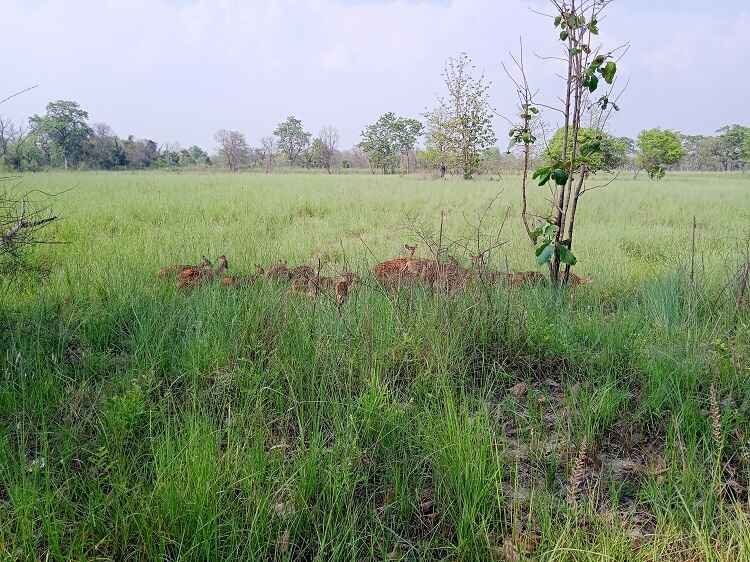
The Dudhwa National Park is one of India’s most diverse and rich wildlife areas. This extraordinary ecosystem is situated in a part of the Terai along the Indo-Nepal border characterized by its dense forests, large grasslands, wetlands and incredible biodiversity. The Dudhwa landscape comprises of Dudhwa National Park, Kishanpur Wildlife Sanctuary and Katarniaghat Wildlife Sanctuary, which is a significant conservation zone for endangered species and rare wildlife.
The Dudhwa landscape is a wonderful place for nature lovers, wildlife photographers, birdwatchers or adventure tourists to enjoy an unforgettable safari in the jungle, which is enriched by the sighting of tiger, rhino, elephant, swamp deer and hundreds of birds. It is one of the most significant wildlife spots in northern India, with its natural beauty and abundant flora and fauna.
Bengal Tiger, the king of Dudhwa Forest
Of course, the most iconic animal in the landscape of Dudhwa is Bengali tiger. The thick forests of sal, grassland and water makes it a perfect habitat for tigers.
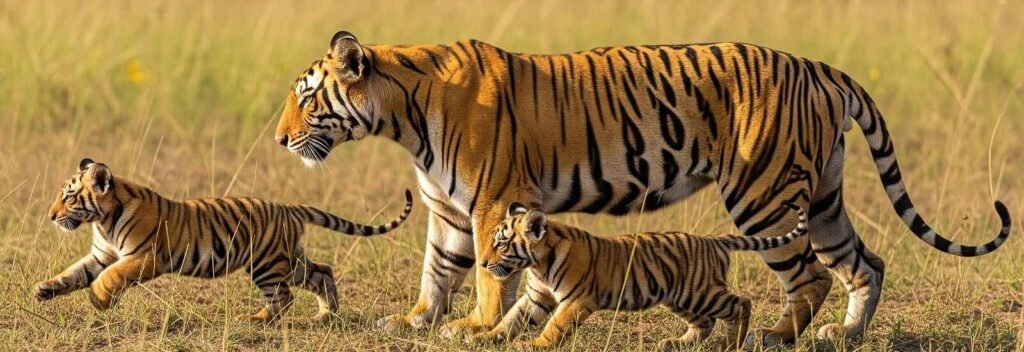
Tigers are apex predators and help maintain the balance of the ecosystem by regulating the population of herbivores like deer and wild boars. Their presence means a healthy forest ecosystem.
Jungle safaris are also one of the most popular attractions, as visitors can expect to see tigers in their natural habitat. The best time to see these majestic cats is during early morning and early evening hours.
The Dudhwa Tiger Reserve is now a vital tiger conservation reserve in India, safeguarding the tigers and their ecosystems that support many other species of wildlife.
One-Horned Rhinoceros Conservation
The rhino is one of the most unique features of the Dudhwa landscape, with the Indian one horned rhino species being endangered. As an initiative to restore the population of rhinos outside Assam and Nepal, these rhinos were successfully brought back.
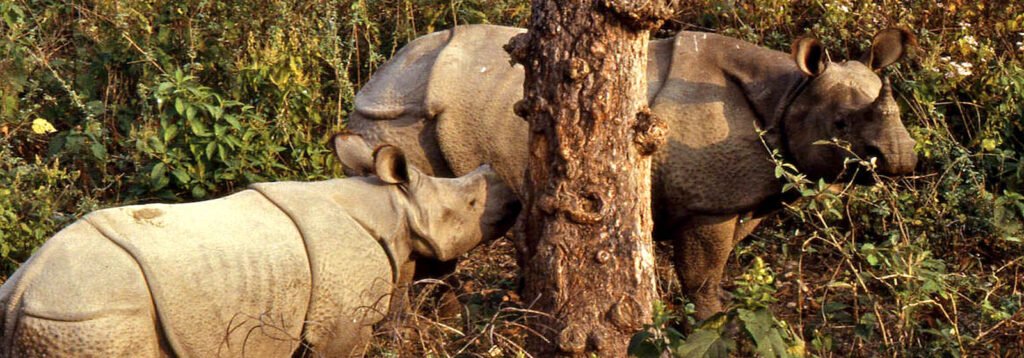
Dudhwa’s grasslands and wetlands offer ideal habitat for the survival and reproduction of rhinos. They are now one of the largest attractions of the park.
Rhinos are strong grazers and are important to the health of a grassland system. The conservation of these in Dudhwa is a testament to the success of long term wildlife management and habitat restoration.
Riding the jungle safari tours through the park, visitors are expected to spot rhinos as one of major attractions of their visit to the park.
Swamp Deer is one of the most popular animals of the Terai Grasslands
Another significant species of the Dudhwa landscape is locally known as “Barasingha” or swampy deer. Dudhwa has one of the largest surviving population of the swamp deer in India.
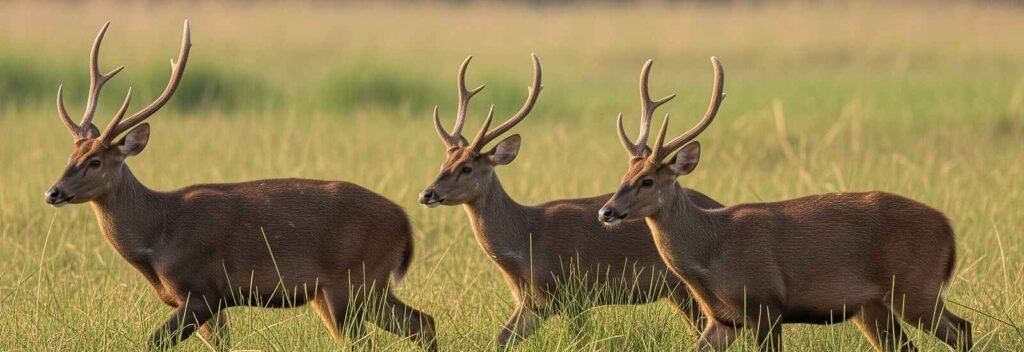
The park is dedicated to protecting these areas of wet grasslands and marshes where these animals can do well, and in which they are found. One of the most interesting herbivores to see during a safari is their size of the antlers and social nature.
Swamp deer conservation programmes in Dudhwa have contributed to the restoration of their declining deer population and safeguarding of the fragile grassland habitats.
Asian Elephants in the Terai Forests
The Dudhwa landscape is also part of the larger Terai Elephant Reserve which is an important habitat for Asian elephants.
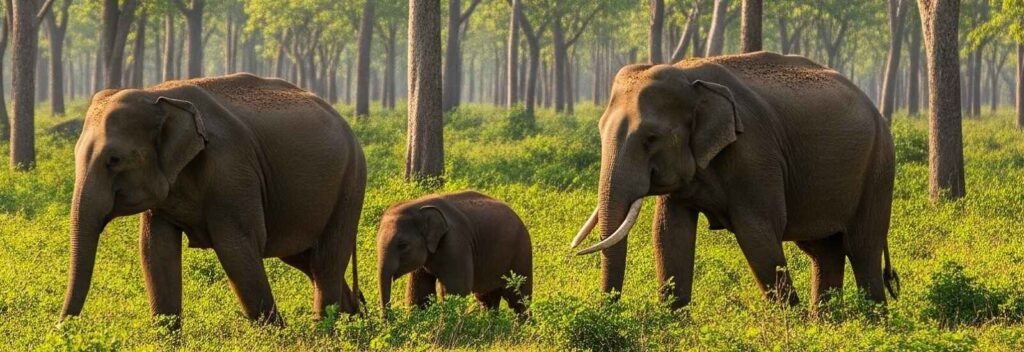
Dudhwa, Kishanpur, and Katarniaghat forests are connected by a forest corridor that is used by elephants. These smart creatures are important in the ecology of the forest and take part in seed dispersal.
Unlike deer or rhinos, elephant spotting is not always a certainty, but a sighting of a wild elephant herd while on a jungle safari is an experience that is sure to be memorable for all wildlife enthusiasts.
Conservation of elephant corridors in the Terai landscape is a key measure towards minimising human-elephant conflict and maintaining the long-term conservation of the species.
Rich Birdlife and Rare Species
Dudhwa is a birdwatcher’s and Wildlife Photographer’s delight. Over 450 species of birds have been recorded including resident as well as migratory species.
Birds including hornbills, owls, woodpeckers, eagles, kingfishers, storks, and migratory waterbirds are attracted to wetlands, grasslands and forests. In the winter season, migratory birds from Central Asia and Siberia come to visit, adding to the excitement of birdwatching.
The Dudhwa ecosystem is also home to rare species like the Bengal florican, hispid hare, the fishing cat and the hog deer. These are lesser-known animals that help to make the region so rich in biodiversity.
It is significant that such uncommon species can be found here, underscoring the ecological significance of the conservation of the forest and wetlands of the Terai.
Importance of Flora & Fauna
The rich biodiversity of the Dudhwa ecosystem makes it one of the most harmonious ecosystems in India. There is a complex web of life in dense sal forests, bamboo groves, grasslands and wetlands.
Herbivores are fed and sheltered by plants and trees and predators keep the ecological balance in the food chain. Wetlands provide habitat for aquatic species and migratory birds, forests help control the climate, air quality, and water supplies.
Conservation of biodiversity in the Dudhwa landscape is beneficial to both wildlife and also to the human community living around the landscape that rely on healthy ecosystems.
Jungle Safari Experience in Dudhwa
The Dudhwa landscape provides an opportunity for an experience of raw wilderness and the observation of wildlife in the wild. A jeep safari leads one through the thick woods, over the open grasslands and river beds where animals roam.
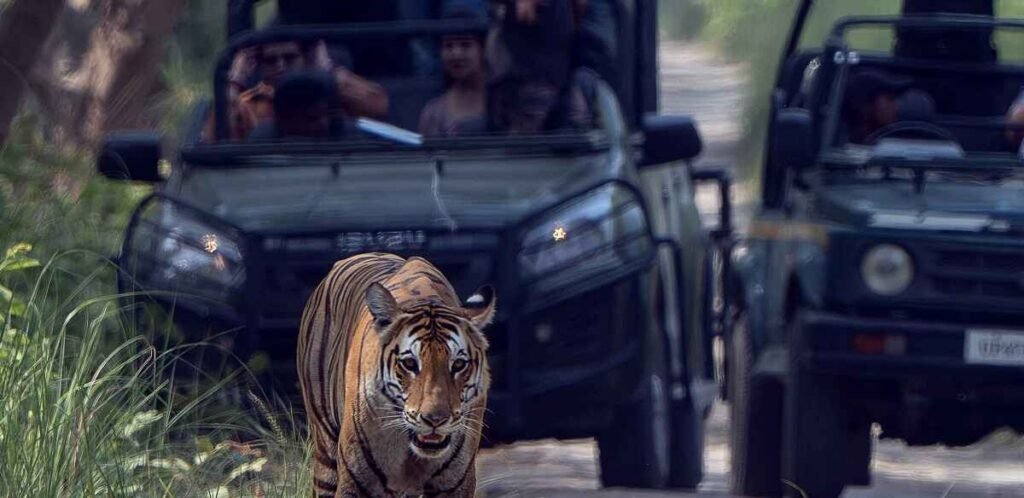
Visitors are assisted in appreciating the animal behaviour, biodiversity and conservation work within the reserve by safari guides and forest officials. Early morning safaris are particularly popular as animals are most active during cooler hours.
Wildlife Photography, bird watching and nature exploration are among the most rewarding eco-tourism activities of India in Dudhwa.
Conservation Challenges
Although the landscape of the Dudhwa is ecologically significant, it is also under threat from a number of conservation issues. Biodiversity remains under threat from habitat fragmentation, the illegal trapping and killing of wildlife, climate change, invasive species, and human-wildlife conflict.
Conservation authorities are implementing initiatives to improve anti-poaching efforts, rebuild habitats, preserve wildlife corridors, and engage local community in conservation initiatives.
Other elements of responsible tourism and eco-tourism also contribute to wildlife protection.
Conclusion
The landscape of Dudhwa National Park is one of the greatest wildlife treasures of India. It has extraordinary wealth of flora & fauna in its forests & grasslands – majestic Bengal tigers and endangered rhinos, rare birds and swamp deer etc.
With its interconnected ecosystems, conservation success stories, and thrilling jungle safari experiences, Dudhwa is a haven for wildlife enthusiasts and nature lovers alike. Through such measures, India continues to safeguard this unique landscape, ensuring the preservation of biodiversity, ecological balance and the inspiration and motivation for future generations to appreciate and protect the natural world.

